Blog: Public Debt Collection Harms Abuse Survivors
Scotland’s public sector is full of skilled and committed people delivering the essential, everyday services our communities are built on.
Sadly, however, it is now beyond doubt that how those same public bodies pursue and collect debt, like council tax and rent arrears, is sabotaging the lives of thousands of families, many led by single mothers, many of them fleeing abusive partners.
Their violence may have been physical or psychological or, most commonly, both but, in recent years, we have become far more aware of how money and debt is routinely weaponised to coerce and intimidate. Many survivors will have been allowed no control of cash coming into their home and only discover they are liable for money owed by their ex when they leave. Any hope of a new beginning is crushed beneath a spinning wheel of old debt, new loans and unpaid interest.
The worry of how they and their children will survive financially is often the only reason women have remained with abusive partners and, after finally escaping them, their family can easily be capsized by a single but unexpected bill.
Dismayingly, many are suffering because of actions being taken in our name. Debt Awareness Week started yesterday [MONDAY 16 MARCH] and should remind us of a public debt crisis demanding urgent reform of collection mechanisms that can be as cruel as they are relentless.
It is no secret. Landmark research detailing how more women than men are at risk of being driven into poverty by local or national government debt collection was published last year and should be required reading for every party leader and candidate in the looming Scottish Parliament elections.
The authoritative analysis, commissioned by Aberlour and two other leading charities, One Parent Families Scotland and Trussell, only amplified the alarm bells sounded by our frontline support teams, which have, for years now, been warning women are at particular risk.
The anonymised records of 71,000 people seeking debt advice in Scotland revealed 57% were women and they owed most in public debt. Single mothers - 92% of lone parents - and those living in households where a child or adult is disabled were particularly at risk with the psychological toll of debt often damaging their physical and mental health, propelling them into debt and poverty.
The research, led by Professor Morag Treanor, of Glasgow University, suggested caring responsibilities can often mean reduced income, less financial resilience and greater risk of poverty while deductions from benefits to pay arrears often stretches household budgets to breaking point.
The analysis should be an emergency flare, a signal to intervene, a call to action. There are better, more humane, and less destructive ways to collect, or cancel, this kind of debt. We can do things better. We can offer respite. Our campaign to cancel school meal debt, for example, persuaded the Scottish Government to write off £2.8 million owed by families of 70,000 children two years ago. We learned last week that debt is again increasing in the absence of sustained and sustainable relief.
Our public sector is rarely criticised for not being bureaucratic enough and it can be forgotten that all the forms, slipping from one inbox to another, involve a real family, often in real crisis. One government department can be deducting money from a benefits payment to recoup one debt, for example, while, oblivious, another is doing the same.
For want of a conversation, or a flag on a file, families are driven to the brink, without money to buy food or heat their homes. Even greater automation is unlikely to increase empathy as algorithms and artificial intelligence increasingly drive debt collection without the possibility of discretion, pause, or a human touch.
These systems, our systems, are, however unwittingly, helping abusers and punishing survivors. The collection of public debt need not be so punitive. Its collection in the private sector is certainly more regulated and often more compassionate, while public authorities continue to trap families in a cycle of seized benefits, missed payments, emergency loans and extortionate interest.
In any case, the money being recouped is an absolute pittance compared to the potential economic and social benefits created by healthier, happier children freed from poverty with their whole lives ahead of them. Our sense of decency should drive reform but so too should clear-eyed pragmatism.
On Thursday, the Scottish Government detailed a plan of action to tackle child poverty. A few days earlier, first minister John Swinney announced a raft of related measures including the extension of support for Aberlour’s Mother and Child Recovery Houses, offering residential support to keep children with their mums while they get specialist help for issues around substance use. It almost goes without saying, that many, if not all, have survived abuse and endured poverty.
This expert work is the opposite of easy but has the power to save then transform the lives of mothers and the futures of their children. It is exactly the kind of work needed if child poverty is to be not eased but eradicated. We should not be hoping to manage such social devastation but end it.
That will be a long journey but can start with the smallest step. Some of those steps will be taken by the mums leaving our Mother and Child Recovery Houses in good health with their children beside them. Thousands upon thousands more of those steps should be taken by families offered respite from the burden of public debt and allowed to take a breath, regroup, restart and rebuild.
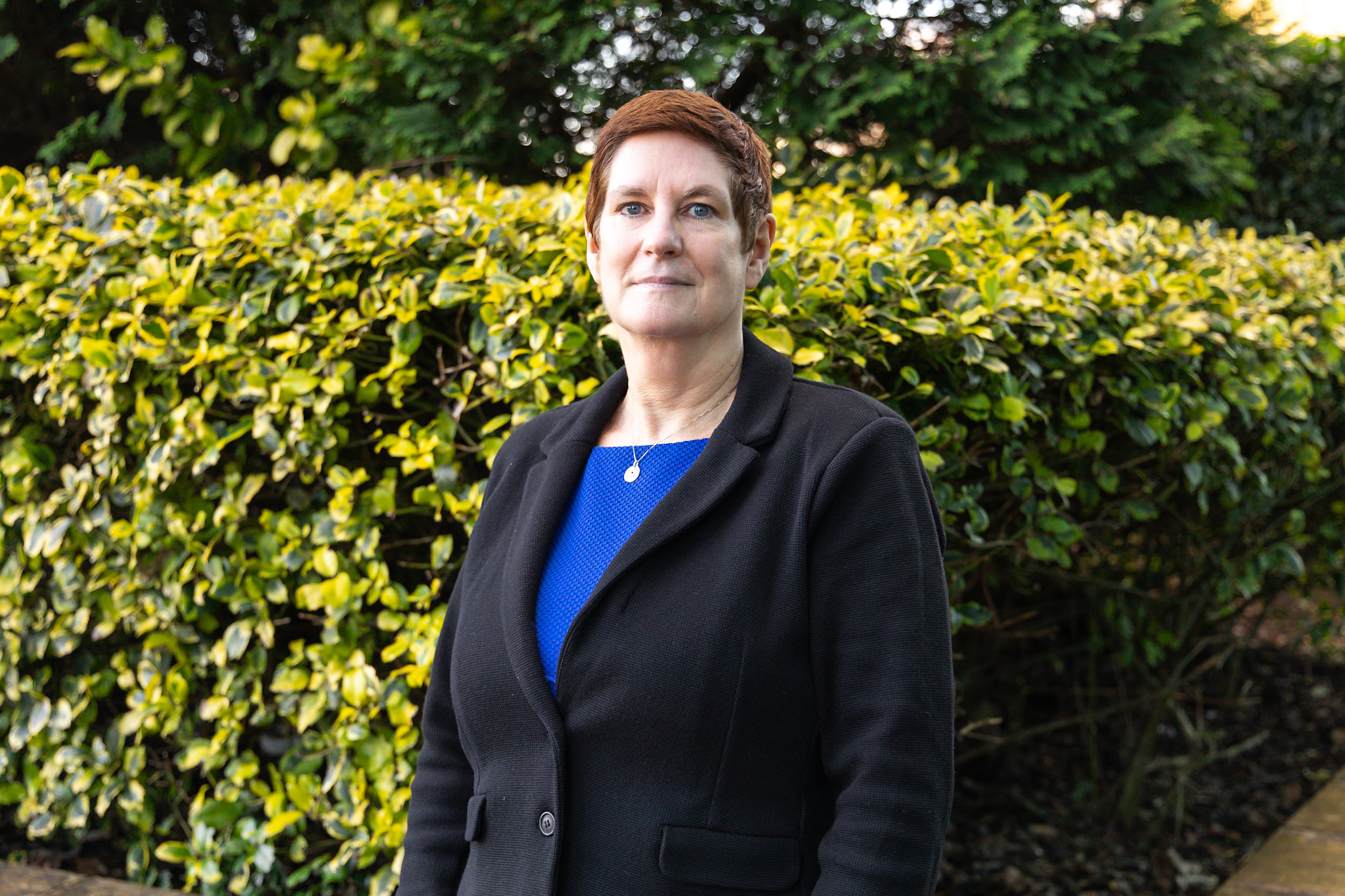
Justina Murray
Chief Executive of Aberlour Children’s Charity
This article was written for The Scotsman and published on Tuesday 17th March 2026