'We Woke To A Luminous Lightness, An Extravagant Transformation'
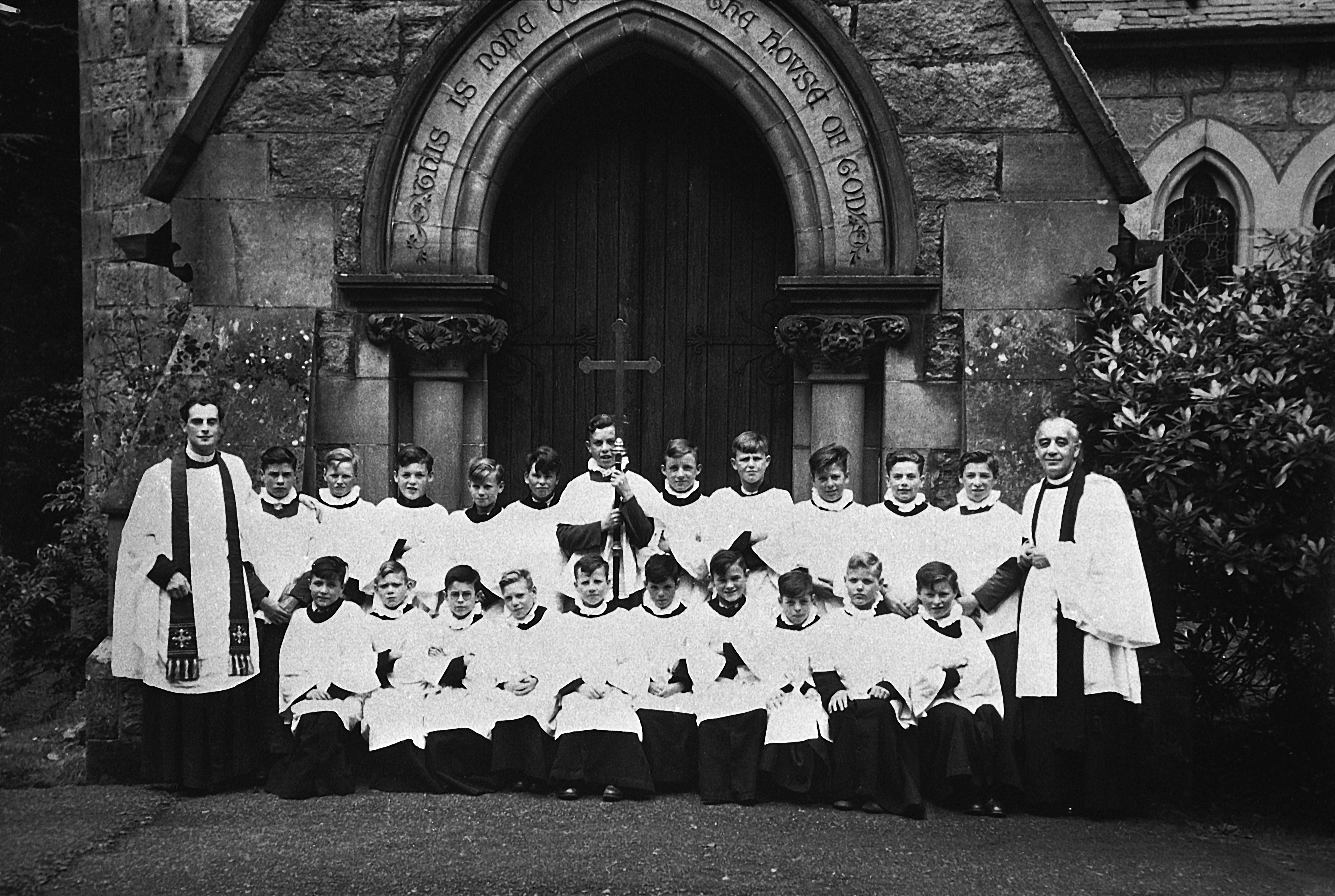
Writer remembers her first Christmas in Aberlour
Writer Dorothy Haynes and her twin brother Leonard arrived at Aberlour Orphanage in 1929, aged ten, after their mother died and their father felt unable to cope. Her memoir, Haste Ye Back, published in 1973, describes her childhood years in the Morayshire village and here, in this heartwarming extract, how her first Christmas was an unexpected joy.
Winter at the orphanage was by no means all gloom. There was something about the Speyside air, the tangy pine scent, the cold mountain freshness, which made us wake bright and avid for every new day. The thick, navy knickers, the long black stockings, the bulky petticoats and, above all, the “flannels,” made us impervious to the worst the weather could do.
Winter brought snow and Aberlour snow lay pure and white. It fell overnight, heavily and completely, so that we woke to a luminous lightness, an extravagant transformation with all the trees muffled to twice their size, and lawns and pathways smoored into one gorgeous level of white.
Through the winter, Christmas shone like a beacon. I don’t know what I expected an orphanage Christmas to be like. Christmas Day in the workhouse, probably. They would do their best but it wouldn’t be like home. It couldn’t be. This was where I was wrong. My first at Aberlour was a revelation.
The excitement began in early December when conferences were held about decorations. This was a matter always taken seriously. The matrons were given an allowance for paper chains, and a certain amount of holly-stealing was winked at, but neither the money or the holly stretched far enough so savings were squandered on tinsel and balloons, and the infirmary dispensed more cotton wool in December than in all the rest of the year.
So we went on with our preparations and the days before Christmas passed in delicious torment. In spite of the parties and fun everyone wondered, a little wistfully, will there be something special for me? Something from outside, a letter, a card, even, to show off and put on the mantelshelf? Nearly every child had someone to send something, but the unlucky ones hoped in the face of despair, and kept on hoping until Christmas was well over.
I didn’t know what to do about hanging up a stocking. Would it be all right? I asked, half expecting to be laughed at, but everyone assured me that my stocking would be filled. It was too. An apple, an orange, a cake of chocolate and a penny may not seem much today but it meant a great deal to orphanage children forty years ago. We wakened in the small hours and scoffed the lot.
Church, dinner, and games filled the day before the older children headed home from a Christmas dance at ten o’clock.
It had been a wonderful Christmas, our stockings filled, the sausages, the stew, the crackers the dance…and it wasn’t over yet.
There was still the carol service, when choir boys would sing solos, and the tiniest children would be allowed up to sing “Away in a Manger.” Next week it would be New Year with another dance. Someone would wire a radio up to a speaker – a major electronic feat – and at twelve o’clock we would stand hushed to hear the solemn tones of Big Ben reverberate through the hall: then the warden would shout “A Happy New Year, everybody!” and we would yell back, our ears and throat splitting, “The same to you, sir!” and someone would grab the dinner bells and clang them till they were grabbed and taken away.
We would have had our school party, the Guide party in the village, and the party for the children who didn’t qualify for any of the other parties; and by that time, the neglected children, the unlucky ones who hadn’t had presents would be called to the study and consoled with sympathy and good wishes and yet another set of Snakes and Ladders. For some reason, orphans are supposed to be partial to the garish boards and green serpents and always received huge stocks of the game at Christmas time. After all that, Christmas would really be past for another year.
This excerpt was provided for The Sunday Post.